

CAD, BIM and 3D Data
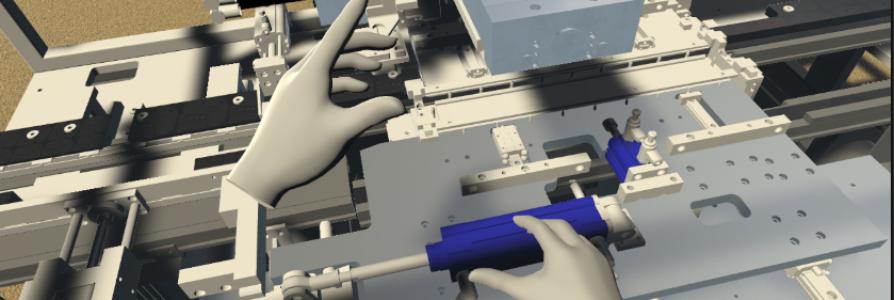
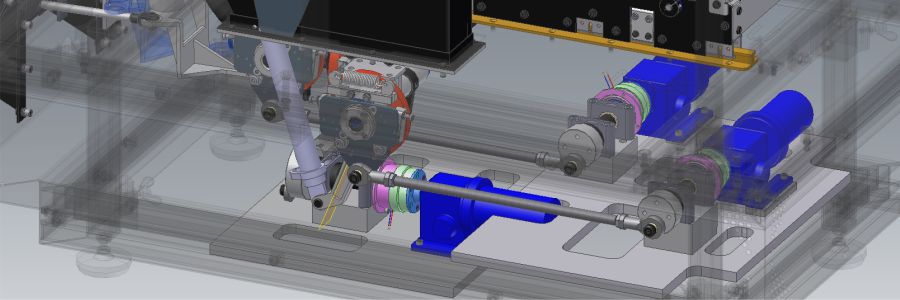
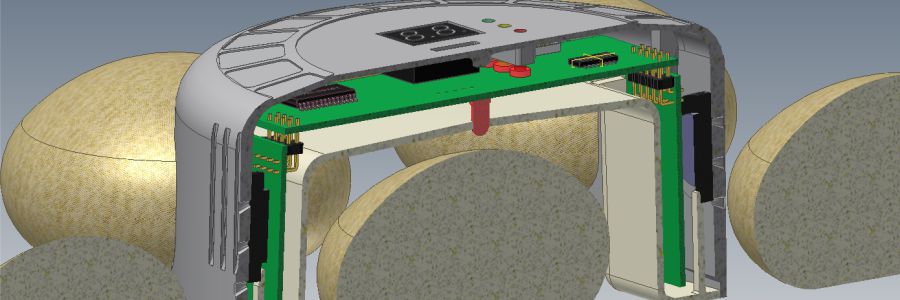
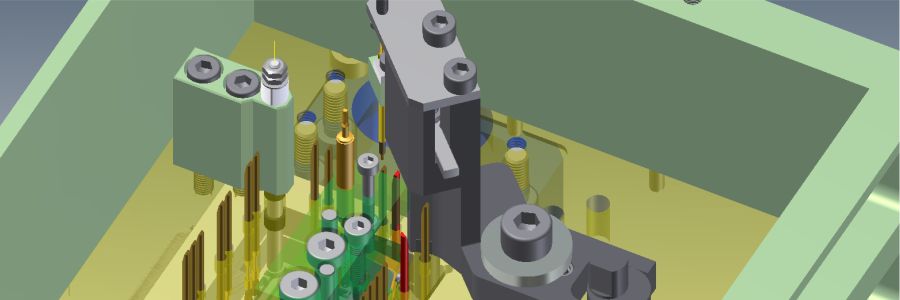
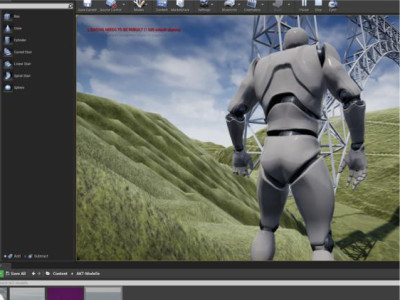
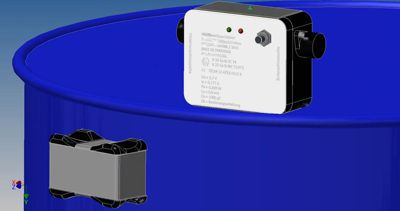
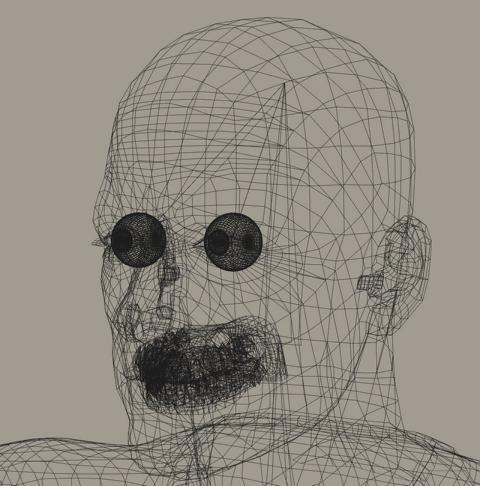
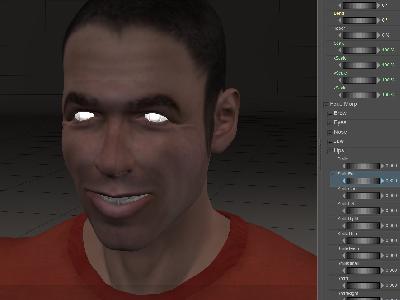
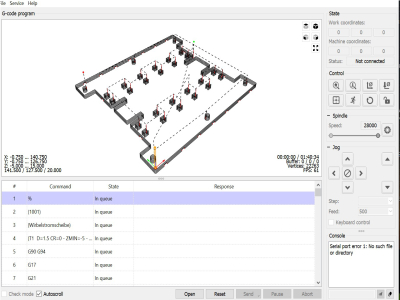
While many CAD applications used in mechanical engineering and furniture manufacturing work with solid models, other industries frequently rely on polygon meshes. 3D scanning technologies, digital media production and many modern development processes also make extensive use of surface mesh data.
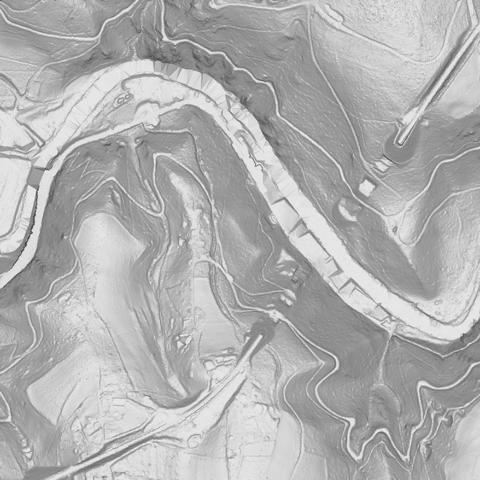
3D data representing machine parts, architectural models, terrain data and even living organisms is available in many different formats. Combining these formats is often beneficial and, in some projects, essential for achieving efficient and transparent development processes.
Depending on data quality, existing 3D models should also be suitable for 3D print.

BIM (Building Information Modeling)
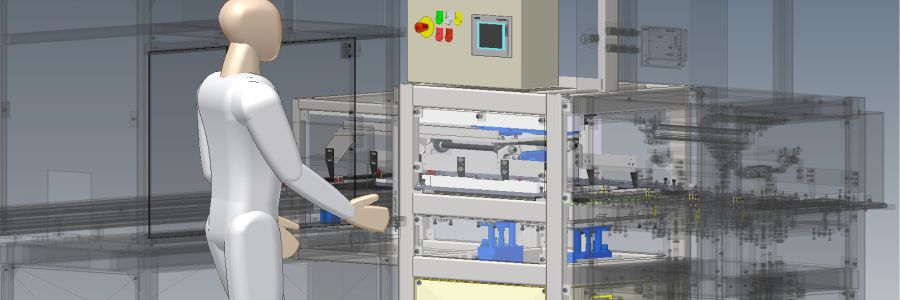
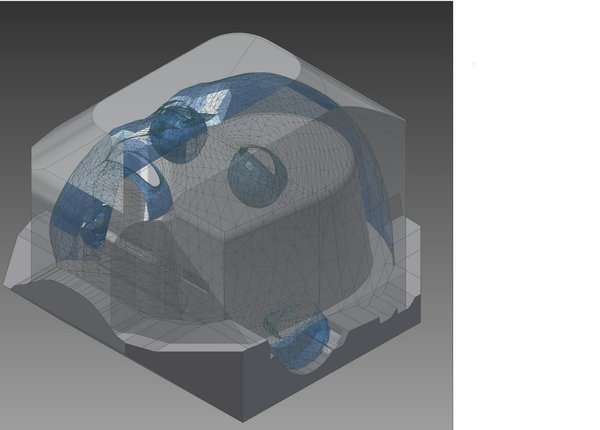
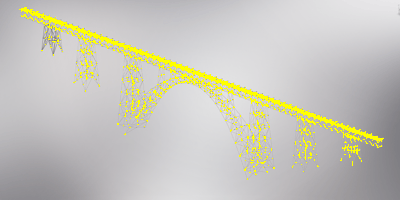
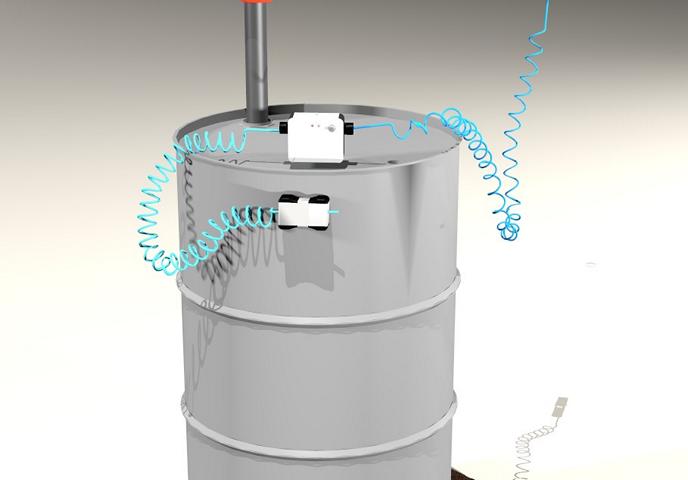
In the BIM model, in addition to the actual CAD data (buildings, machines, etc.), the boundary conditions, e.g. the terrain data or building data (from 3D scans), are also integrated as 3D data. Additional information is now assigned to the individual 3D data. This information can then be used for evaluation or overview of the entire project. The data serves as a continuous overview for the planners and, at best, later for the users.
In BIM projects, the integration of different 3D data formats is often a key factor for successful planning and implementation.


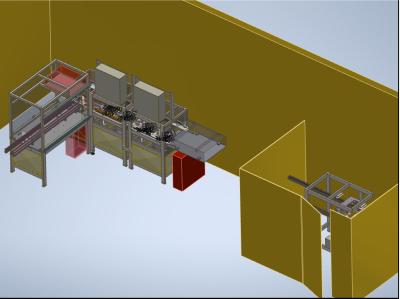
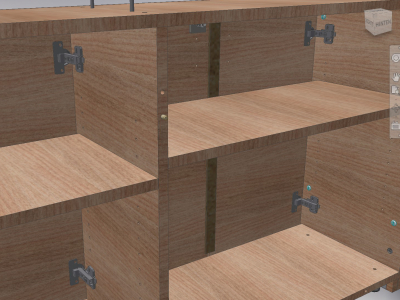
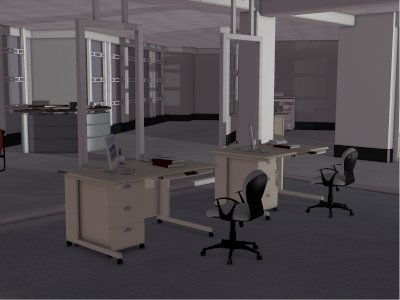
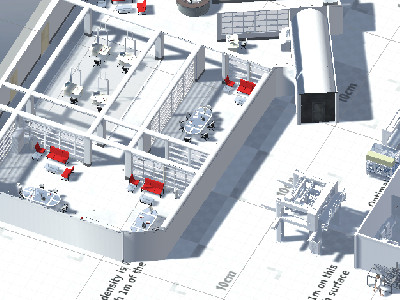
Merging 3D data and integrating additional component information enables objective project evaluation and facilitates the efficient exchange of components.
Current Projects
Further examples covering CAD, BIM, 3D data processing and manufacturing projects can be found on our project website.
Visit www.3DCadCam.de – View Current Projects »
Visit www.easyautomations.de – Control Technology, HMI, Data Acquisition, and Automation »
Adler Konstruktionstechnik
Wermelskirchen, Germany
Tel: +49 2196 888 725 0